The Middle East conflict is driving up global oil prices.
A week on since the start of the conflict in the Middle East, global oil prices have continued to rise since traffic through the Strait of Hormuz ground to a halt.
Around 20% of the world's oil and gas is transported through this strategic waterway, with Iran's IRGC claiming complete control over this trade route.
Brent Crude has been trading at a two-year high of around $93 a barrel after Qatar's energy minister, Saad al-Kaabi, warned he expected Gulf production could stop within days.
A number of oil and gas refineries in the region have been targeted by Iranian drone and missile strikes, and Tehran has threatened to strike vessels in the Strait of Hormuz, leaving hundreds of ships stranded.
War risk cover for vessels operating in the Gulf has been canceled or significantly increased by the leading maritime insurers. Despite reassurances from the US to cover insurance premiums and provide Naval escorts, tanker traffic remains at a standstill.
The recent spike in oil prices is already affecting fuel prices at the pump.
The UK imports most of its oil and gas from the US and Norway. The UK also extracts oil from the North Sea, but almost all of it is exported abroad. This means the UK is reliant on imports and pays the global market rate for them.
Fuel prices have already been rising, partly driven by demand as drivers rush to fill-up before prices rise, but also due to opportunistic retailers despite the fact that current supplies were processed at lower market prices. Normally, it takes around 2 weeks for wholesale price changes to reach the forecourt.
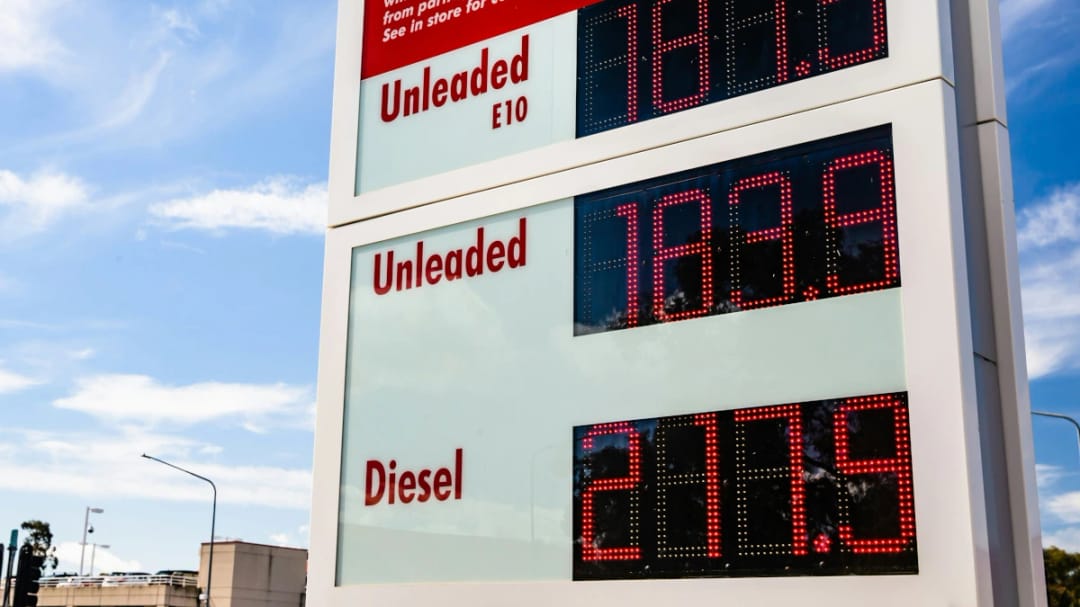
Petrol has risen by about 3.7p and diesel by around 6p, taking the UK average to 136.5p per litre for petrol and 148.4p for diesel.
How high could fuel prices go?
The biggest driver will be how long this conflict persists, and for now, that is uncertain. Some industry experts have suggested that oil prices could rise to $150 if production in the Gulf remains affected for the next few weeks.
Prices above $100 per barrel are a very realistic scenario, but how long they stay there will be important.
If the US solution to escort vessels through the Gulf region is green-lighted, this could lead to inflated insurance premiums, with some reports suggesting a 12-fold increase, citing US escorts likely to be a target rather than a deterrent.
For the foreseeable future, continued high oil prices are certainly going to result in continued increases in petrol and diesel costs for consumers and transportation companies.
The Competition and Markets Authority says it is continuing to "closely monitor" the development of petrol station price increases.
Keep up-to-date on the latest fuel prices in your area
Our Fuel Prices Lookup service tracks the latest petrol and diesel prices in your area, helping you to keep your refuelling costs down as much as possible.